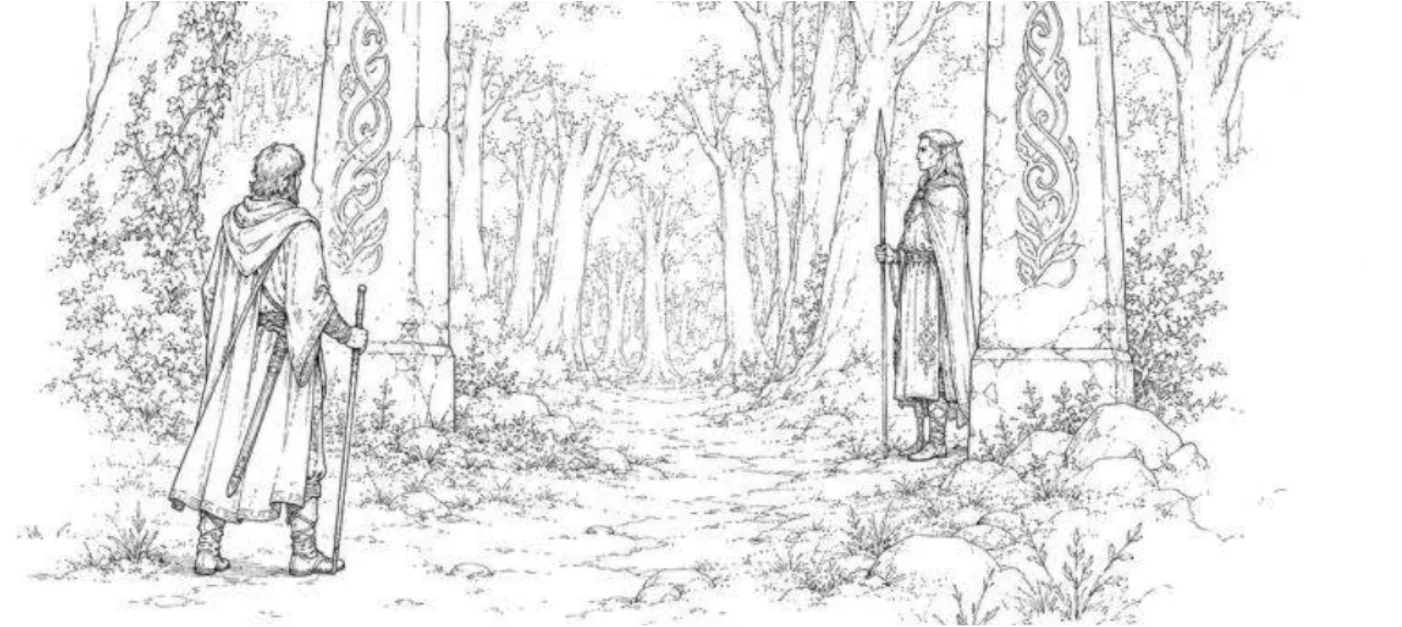
“The world of Greyhawk is not the story of one civilization—it is the story of many.”
The kingdoms, cities, and ruins that adventurers explore today are the result of thousands of years of migration, conquest, trade, and cooperation between many different cultures. Ancient empires have risen and fallen. Great wars have reshaped the land. Entire peoples have been driven from their homelands, carrying their customs and traditions into distant frontiers.
The world of Greyhawk is not the story of one civilization—it is the story of many.
Long before the great kingdoms of the modern age, the lands of the Flanaess were home to the Flan, the oldest known human culture of the region. In time, they were joined by the Suel, refugees fleeing the destruction of their ancient empire, and the Baklunish, survivors of a catastrophe that devastated the western lands. Later came the Oeridians, a vigorous and ambitious people whose migrations would shape much of the political landscape familiar to adventurers today.
Alongside these great human cultures live the elder races of fantasy legend. Elven forests have stood for ages beyond counting. Dwarven strongholds delve deep beneath the mountains. Halflings cultivate quiet villages along fertile rivers, while gnomes build hidden communities amid wooded hills and rocky valleys.
The Flanaess is also home to countless smaller peoples and wandering folk. River nomads known as the Rhennee travel the waterways in brightly painted barges. 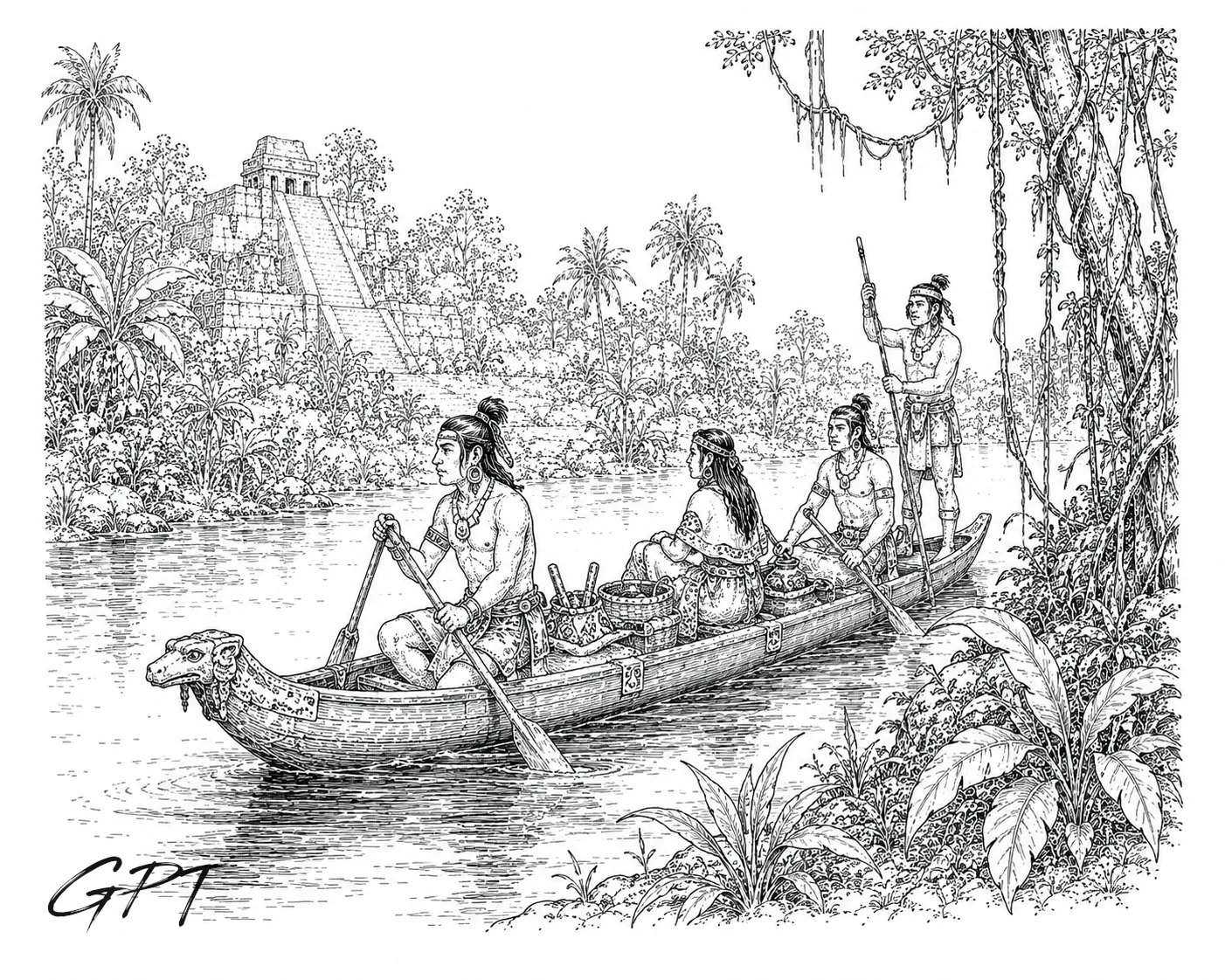
Far to the south dwell the mysterious Olman, heirs to ancient jungle civilizations, while distant lands beyond the known map are inhabited by cultures seldom encountered by northern adventurers.
Unlike many fantasy worlds, the peoples of Greyhawk are not divided into simple realms of good and evil. Every nation, race, and culture contains heroes and villains, wise rulers and corrupt tyrants, noble ideals and ancient grudges. Trade, diplomacy, war, and exploration have woven these diverse peoples together into the rich tapestry that is the modern Flanaess.
Understanding these cultures is the first step toward understanding the world itself. The names of kingdoms, rulers, and legendary heroes all trace their origins to the peoples who built them."
The Flan
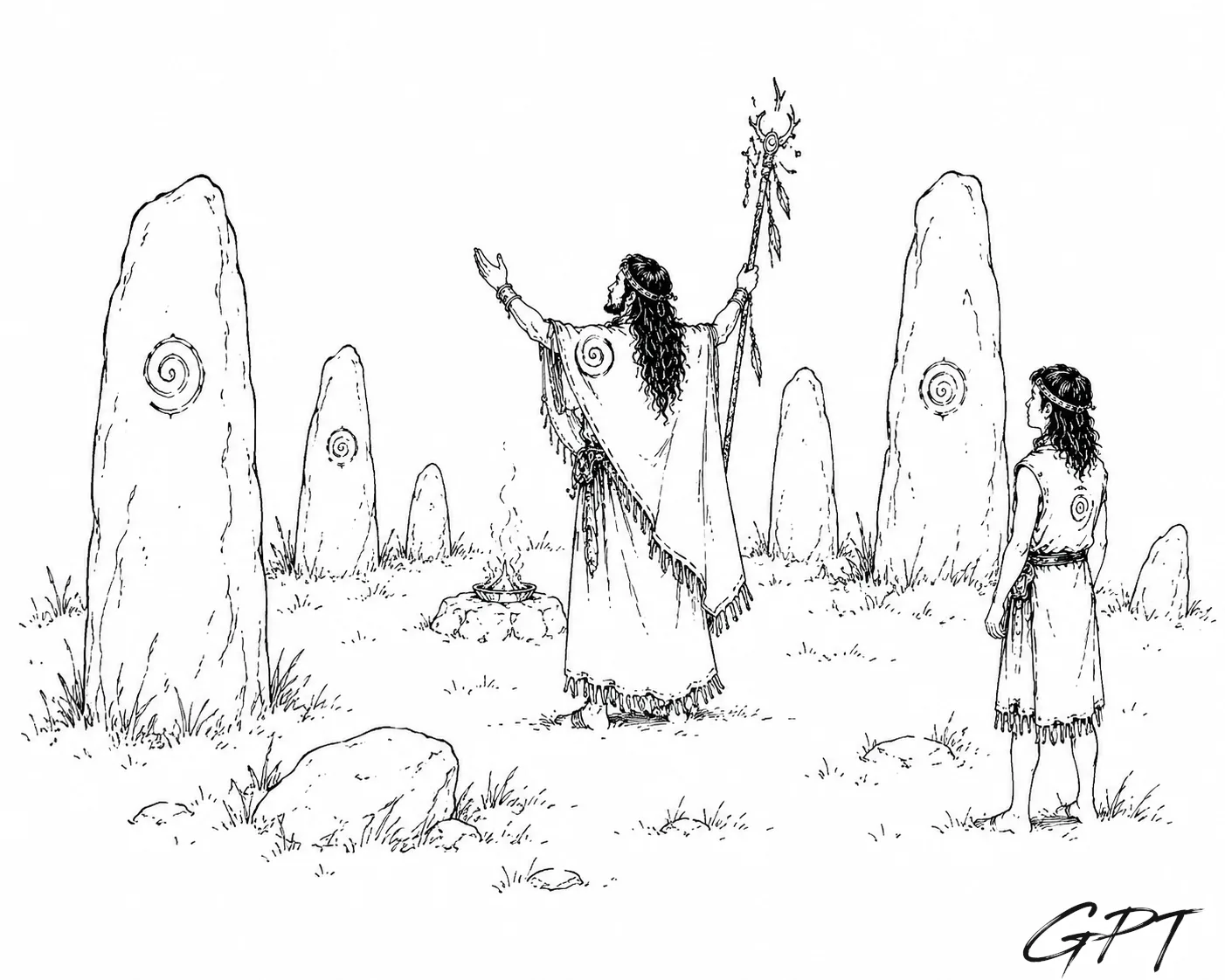
Long before the rise of the great kingdoms, before the migrations of the Oeridians and the coming of the Suel and Baklunish peoples, the Flanaess belonged to the Flan.
The Flan are the oldest known human culture of eastern Oerik, lending their name to the entire region itself. Although many of their ancient realms have vanished beneath the passage of time, their legacy can still be found across the landscape—in weathered standing stones atop lonely hills, forgotten burial mounds hidden beneath the forests, and mysterious circles of ancient monoliths where druids still gather beneath the moonlight.
Unlike many later civilizations, the Flan lived in close harmony with the natural world. Their priests and wise men often served as druids, acting as guardians of sacred groves, rivers, and mountains. They believed that the land itself possessed a living spirit, and many of the oldest holy places in the Flanaess date back to these early peoples.
Flan legends speak of heroes, beast-lords, and powerful shamans who walked beside the spirits of the earth. Their traditions gave rise to many of the nature faiths that survive into the present day, and several of the Flan gods continue to be widely worshipped throughout the Flanaess.
Although centuries of migration and conquest have blended the peoples of the Flanaess together, the blood of the Flan still runs strong in many lands. Their descendants can be found among the farmers of the central plains, the hunters of the northern forests, and the hill folk who dwell far from the great cities.
To travelers, the signs of the ancient Flan are everywhere. A grassy mound rising from an open field, a ring of standing stones overlooking a valley, or a forgotten shrine deep within the wilderness may all be remnants of a civilization older than any modern kingdom.
Many adventurers have learned that where the Flan once built, secrets—and treasures—often remain buried beneath the earth.
The Oeridians
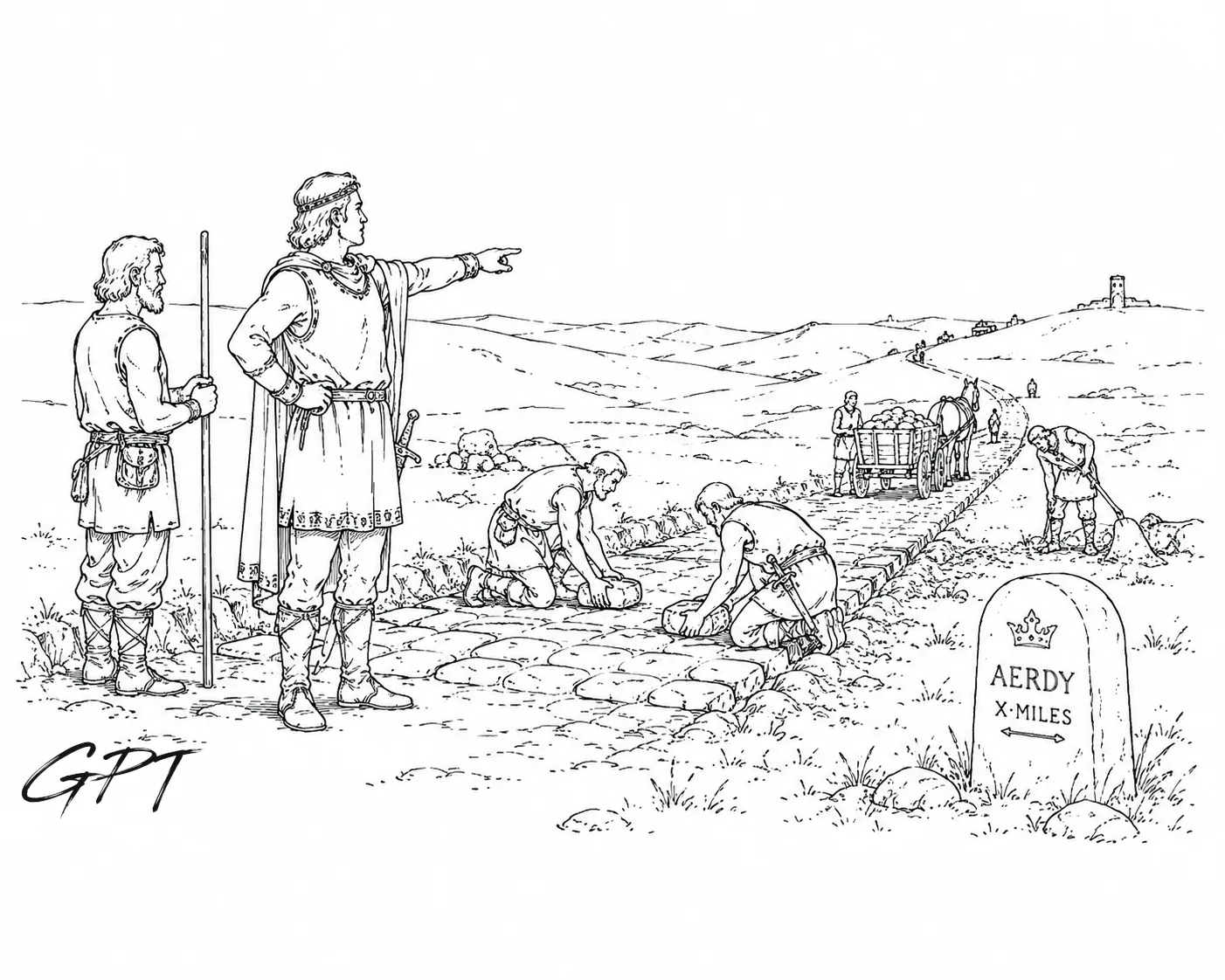
If the Flan were the first great people of the Flanaess, the Oeridians were the builders of many of its greatest kingdoms.
Centuries ago, Oeridian tribes migrated westward into the Flanaess, seeking new lands and opportunities. Skilled warriors and natural leaders, they gradually established settlements that would grow into some of the most powerful nations in history. Through conquest, diplomacy, and intermarriage with the native Flan, the Oeridians spread across much of the continent.
Many of the realms most familiar to adventurers owe their origins to Oeridian culture. The mighty Great Kingdom of Aerdy, once the dominant power of the east, was founded by Oeridian nobles. The kingdoms of Furyondy, Nyrond, and many of the states of the central Flanaess also trace their heritage to these ambitious settlers.
Oeridian society traditionally values courage, honor, loyalty, and martial skill. Kings, knights, and noble houses occupy important places within their culture, while warriors who distinguish themselves through bravery are often remembered for generations. Though many Oeridian realms have developed their own customs over the centuries, they still share a common heritage that can be seen in their laws, heraldry, and traditions.
Unlike the ancient Flan, whose monuments often blend into the natural landscape, the Oeridians are remembered for their castles, fortified towns, and great roads. Many of the stone keeps and ancient watchtowers that dot the countryside today were first raised by Oeridian hands.
The passage of time has also brought change. The old Oeridian empires have fractured into dozens of independent realms, each pursuing its own destiny. Some remain shining examples of chivalry and justice, while others have fallen into corruption or endless warfare.
Today, the descendants of the Oeridians are found throughout the Flanaess, and their influence touches nearly every corner of the known world. For many travelers, when they think of the classic kingdoms of Greyhawk, they are seeing the enduring legacy of the Oeridian peoples.
The Suel
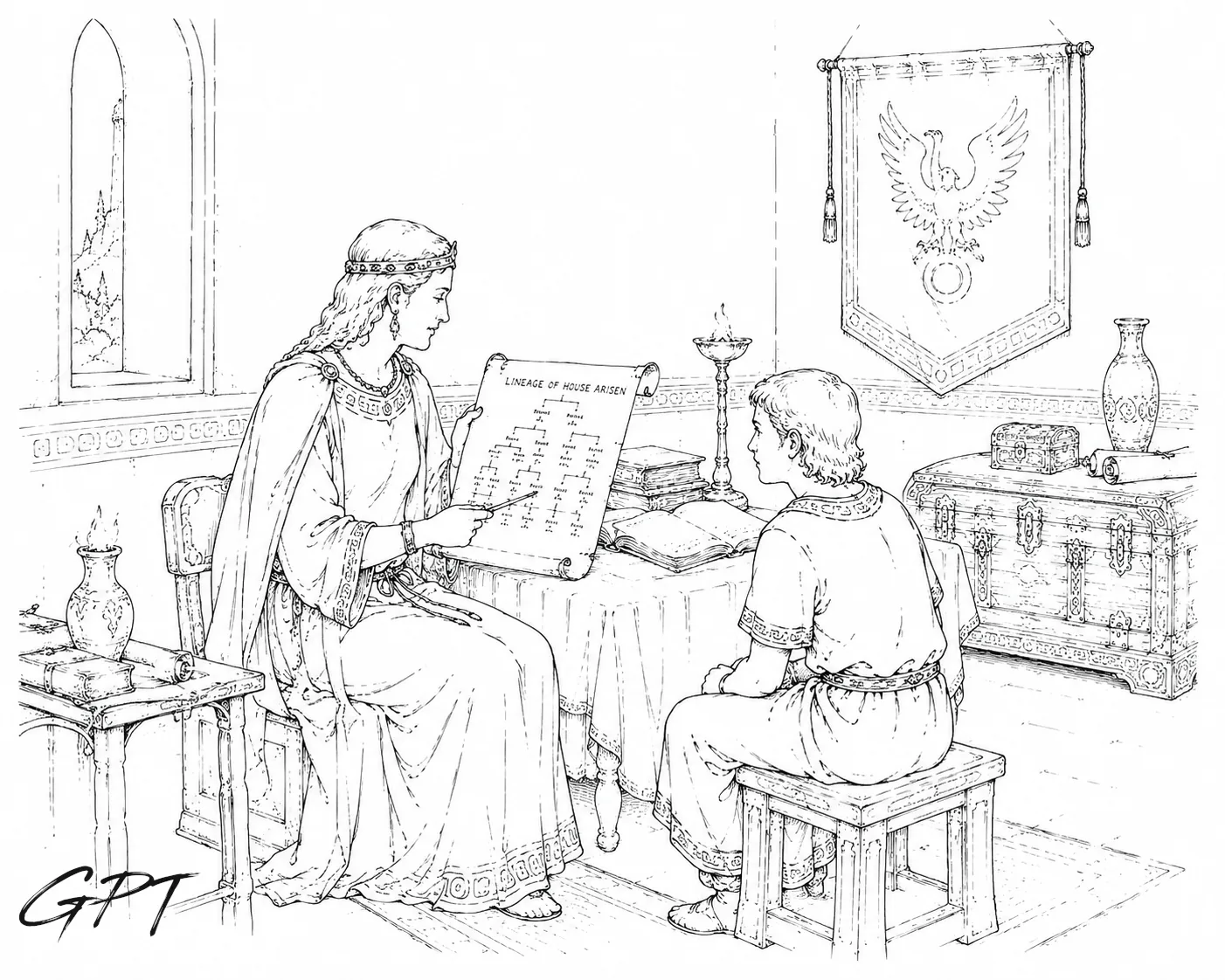
The Suel are the descendants of one of the greatest—and most tragic—civilizations in the history of Oerth.
Long ago, the Suel Imperium dominated the lands far to the west, renowned for its wealth, powerful magic, and advanced learning. At the height of its glory, the Imperium stood as one of the mightiest empires the world had ever known. That age came to a sudden and terrible end during the ancient conflict between the Suel and the Baklunish.
According to legend, the Suel unleashed a magical cataclysm known as the Rain of Colorless Fire, while their enemies answered with the Invoked Devastation. The resulting destruction shattered both civilizations and forever changed the face of Oerth.
The survivors fled eastward into the Flanaess, crossing mountains and untamed wilderness in search of new homes. Over the centuries they established kingdoms, founded cities, and mingled with the native Flan and the migrating Oeridians. Today, traces of Suel heritage can be found throughout much of the southern and western Flanaess.
Many of the oldest noble families of Keoland, the Sea Princes, and other lands of the Sheldomar Valley proudly claim Suel ancestry. Their traditions often emphasize scholarship, exploration, and personal achievement, while stories of the lost Imperium continue to inspire adventurers and treasure hunters alike.
Not all heirs of the Suel legacy, however, seek noble ends. The mysterious Scarlet Brotherhood claims direct descent from the ancient Imperium and dreams of restoring what it believes was the rightful order of the world. Hidden behind secrecy and manipulation, the Brotherhood serves as a constant reminder that the glories and ambitions of the old Suel have never truly faded.
Across the Flanaess, ruined towers, buried cities, and forgotten tombs stand as silent monuments to the lost empire. For many adventurers, the treasures and secrets of the ancient Suel remain among the greatest prizes waiting to be discovered.
The Baklunish
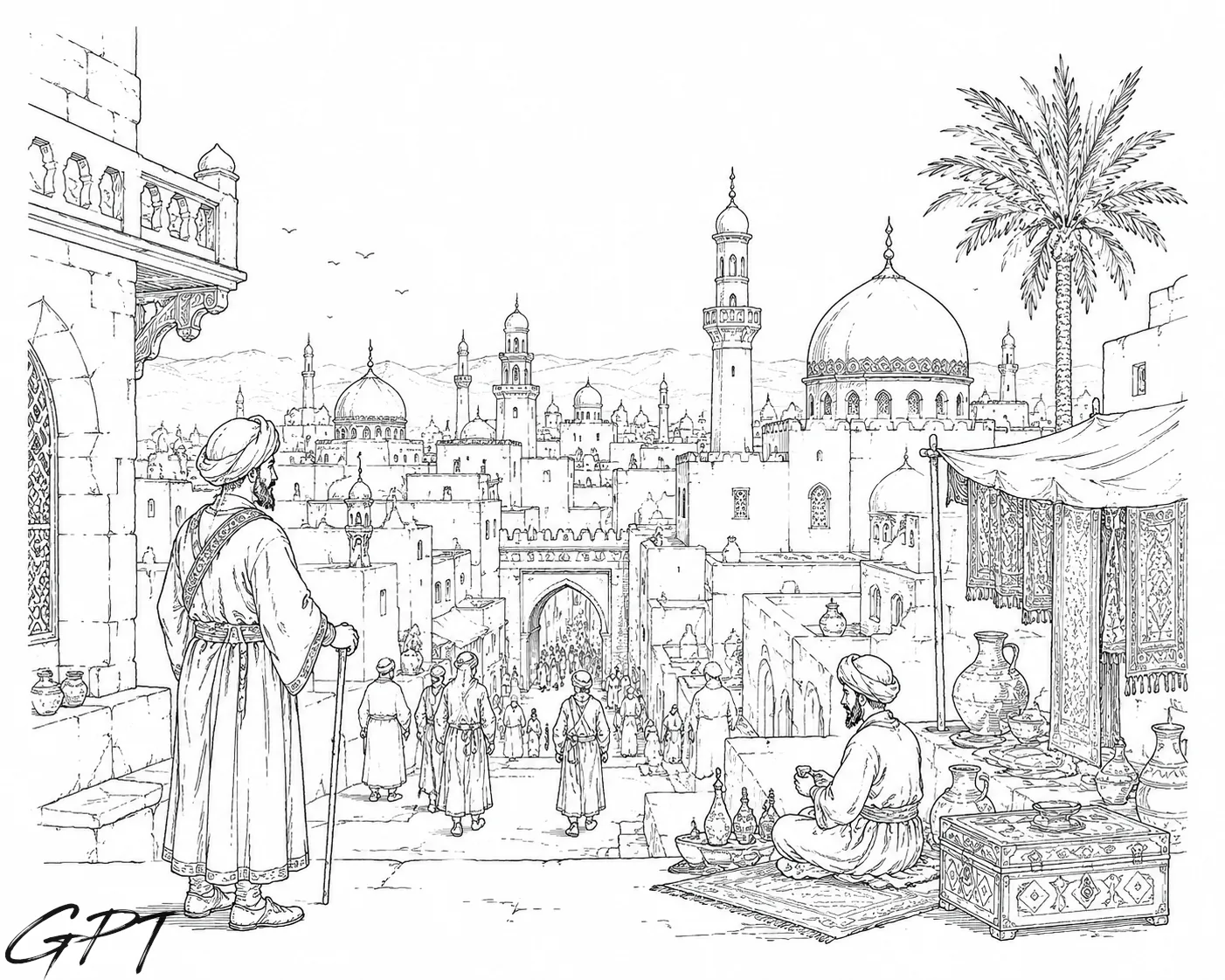
The Baklunish are the heirs of an ancient civilization that once flourished in the lands west of the Flanaess.
Long before the rise of the modern kingdoms, the Baklunish Empire rivaled the power and grandeur of the Suel Imperium. Great cities, centers of learning, and wealthy trade routes stretched across the western reaches of Oerik. Scholars, philosophers, astrologers, and mystics were held in high regard, and the Baklunish developed a rich culture shaped by both knowledge and faith.
Their civilization was forever changed by one of the greatest disasters in history.
During the final war between the Baklunish and the Suel Imperium, the Baklunish unleashed a terrible magical force remembered as the Invoked Devastation. In response, the Suel answered with the Rain of Colorless Fire. The twin cataclysms destroyed both empires and left vast regions of Oerth barren and lifeless.
The survivors journeyed eastward, carrying with them the traditions and wisdom of their ancestors. Though many settled in the western lands beyond the Flanaess, Baklunish influence can still be found throughout the known world. Merchants, scholars, wandering mystics, and skilled horsemen often travel far from their native lands, bringing exotic goods and unfamiliar customs with them.
Baklunish culture places great value on learning, hospitality, and personal honor. Their stories are filled with wise sages, legendary heroes, and powerful elemental magic. To many in the eastern kingdoms, the Baklunish lands remain mysterious and distant, known only through the tales of travelers and the caravans that arrive from beyond the western horizon.
The legacy of the ancient empire is still visible in forgotten ruins, crumbling fortresses, and lost libraries scattered across the western deserts and plains. Many adventurers dream of uncovering these relics of a civilization that once stood among the greatest the world has ever known.
Together with the Flan, Oeridians, and Suel, the Baklunish complete the four great human cultures whose histories have shaped the Flanaess into the world we know today.
The Elder Races
Long before the rise of the great human kingdoms, the forests, mountains, and hidden valleys of the Flanaess were home to the elder races. Elves, dwarves, gnomes, and halflings have dwelt upon Oerth for ages beyond recorded history, and many of their oldest legends speak of events that humans know only through ancient songs and forgotten ruins.
Collectively, these peoples are often known as the demi-humans, though each possesses its own proud identity and traditions. Over the centuries, the ancient Flan gave many of these races names that still survive in the Common tongue. Elves are often called the olvenfolk, while dwarves are known in the old Flan language as the dwur, and collectively as the dwurfolk or dwerfolk. Gnomes are known as the noniz, and are generally referred to simply as rock gnomes, distinguishing them from their mysterious subterranean cousins, the svirfneblin, or deep gnomes. Halflings are frequently called the hinfolk, a name many of them still use among themselves.
Unlike the four great human cultures, whose histories are largely defined by migrations and the rise and fall of kingdoms, the elder races are deeply rooted in the lands they inhabit. The elves are the ancient guardians of the forests, the dwarves the masters of the mountain halls, the gnomes the quiet folk of wooded hills and rocky vales, and the halflings the caretakers of peaceful farms and river villages.
Though smaller in number than humanity, the elder races have shaped the history of the Flanaess in countless ways. Their alliances have altered the course of wars, their craftsmanship has produced some of the world’s greatest treasures, and their hidden realms preserve secrets from ages long past. Many of the oldest ruins and greatest legends known to adventurers are bound to these ancient peoples.
To understand Greyhawk is to understand that the Flanaess was never the domain of a single race or kingdom. It is a land built by many hands, and the elder races remain an enduring part of its story.
The Elves
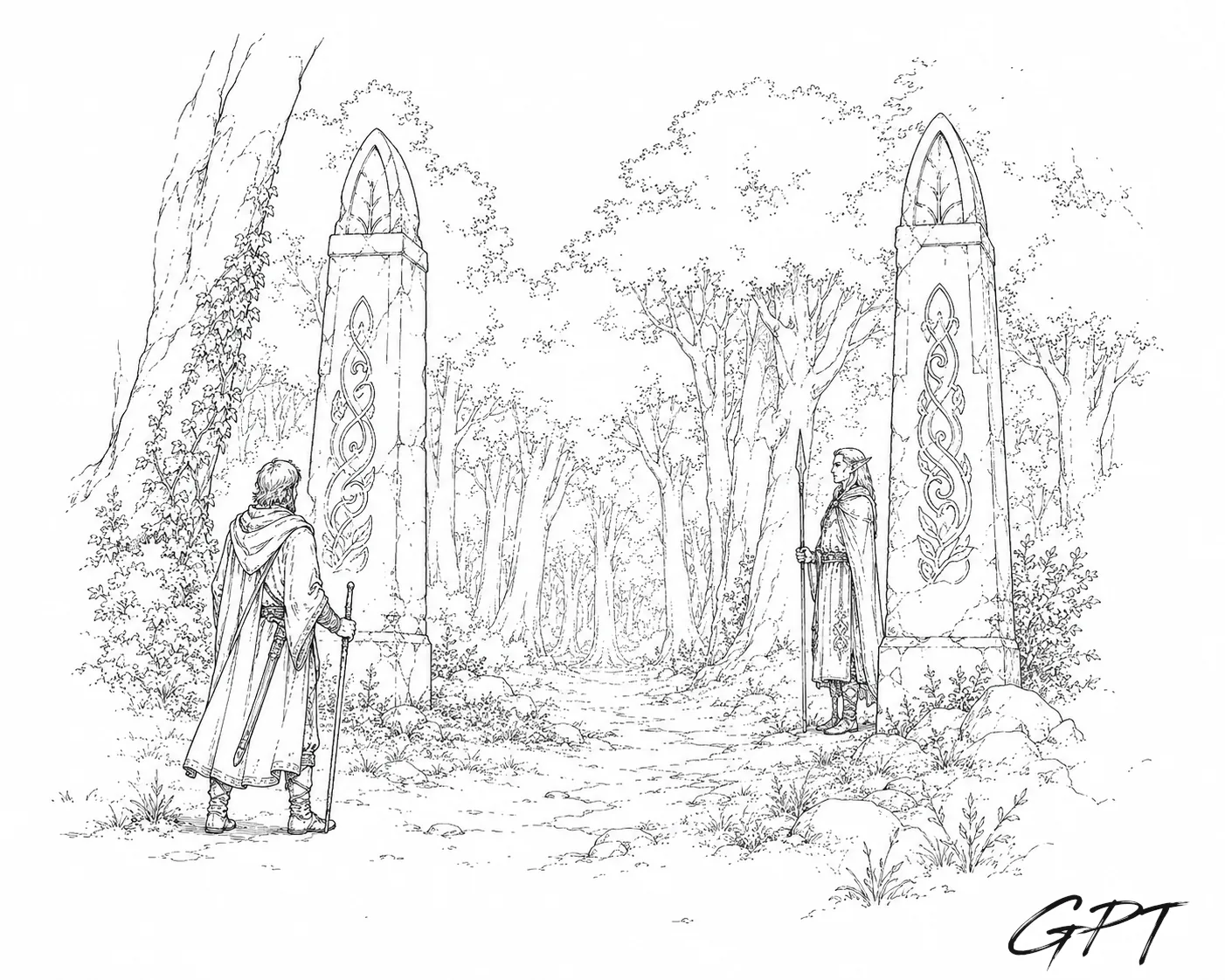
The elves, or olvenfolk, are among the oldest and most mysterious peoples of the Flanaess. Long before the first human kingdoms rose from the wilderness, elven realms flourished beneath the great forests, their histories stretching back to an age now remembered only in song and legend.
Unlike many fantasy worlds, the elves of Greyhawk are not a single people. The most commonly encountered are the high elves, known for their balance of wisdom and martial skill; the reclusive gray elves, famed for their scholarship and mastery of magic; and the wood elves, sometimes called sylvan elves, who make their homes deep within the ancient forests. Far more secretive are the valley elves, who dwell in isolated mountain valleys and rarely concern themselves with the affairs of the outside world.
Throughout the Flanaess, great forests remain under elven protection.
The most famous of these is the enchanted realm of Celene, where the olvenfolk have long sought to preserve their ancient traditions. Other elven communities are scattered across the Vesve Forest, the Gamboge, the Suss, and countless smaller woodlands, often hidden from casual travelers.
Elven culture places a high value on harmony with nature, craftsmanship, and learning. Music, poetry, and magic are woven into everyday life, and many of the greatest archers and wizards of the Flanaess are counted among their number. Their long lives grant them a perspective that shorter-lived races sometimes mistake for aloofness or indifference.
Although they often prefer the quiet of their forests to the politics of human kingdoms, the elves have played an important role in the history of the Flanaess. They have fought beside dwarves against the hordes of the mountains, stood with human allies against ancient evils, and guarded places of great power since before the first stones of the Great Kingdom were laid.
To many adventurers, the olvenfolk embody the wonder and mystery of the elder world. Their hidden realms, ancient ruins, and forgotten lore hint at a past far older than the kingdoms of men, and their friendship—or their enmity—is a thing not easily forgotten.
The Dwarves
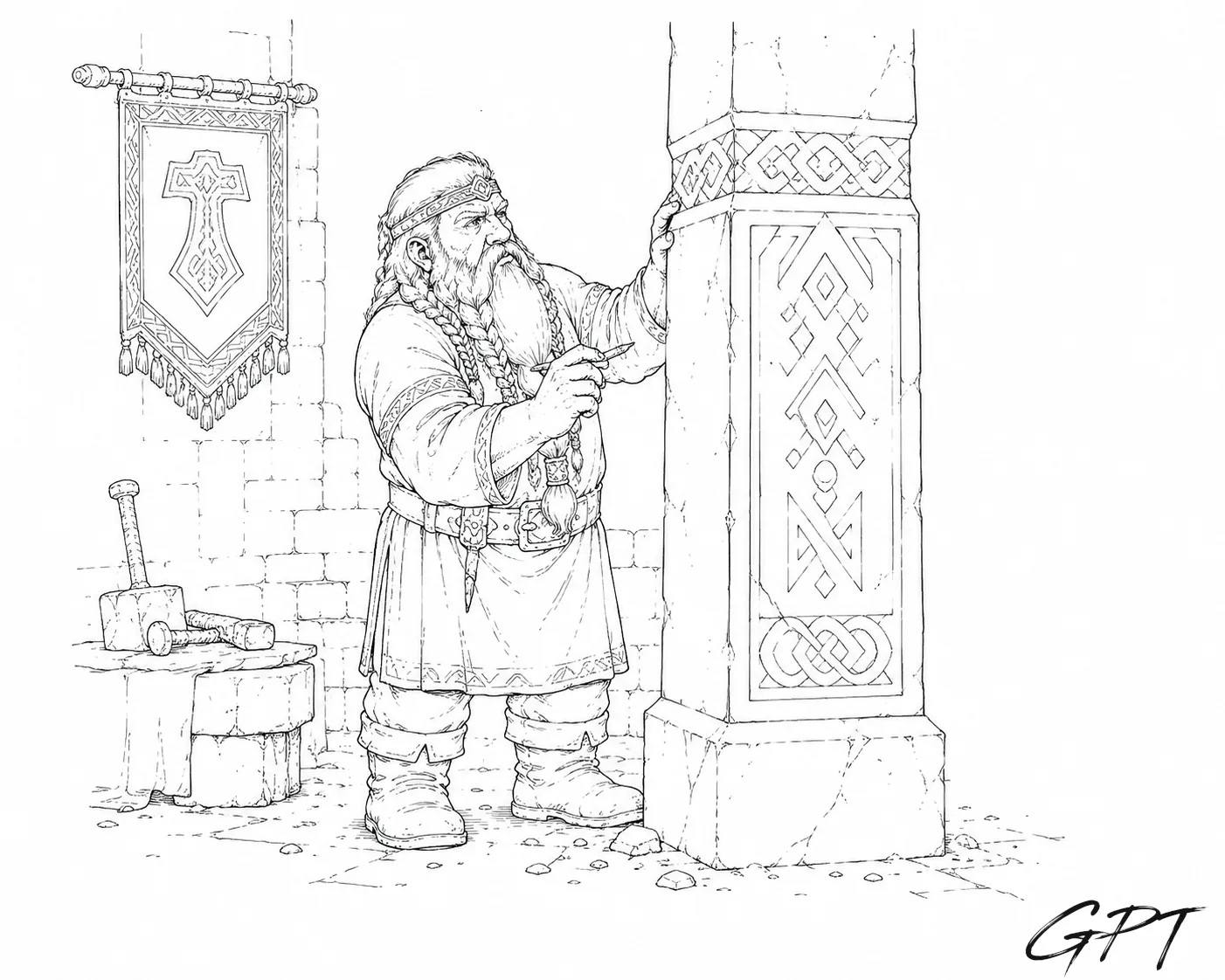
The dwarves, known in the ancient Flan tongue as the dwur, are among the oldest and most steadfast peoples of the Flanaess. Their mountain halls and underground kingdoms have stood for centuries, enduring the rise and fall of human empires and the countless wars that have swept across the land.
In the Common tongue, dwarves are often referred to collectively as the dwurfolk or dwerfolk, names that reflect both their ancient heritage and their reputation as one of the elder races. Most dwarves belong to one of two broad peoples: the hardy hill dwarves, who favor rugged highlands and lower mountain ranges, and the more reserved mountain dwarves, whose vast halls are carved deep beneath the highest peaks.
Dwarven society is built upon tradition, family, and craftsmanship. A dwarf’s clan is the center of his life, preserving customs that may stretch back for hundreds of years. Smiths, armorers, stonemasons, and jewelers are held in high esteem, and the finest blades, suits of armor, and works of metalcraft found throughout the Flanaess often trace their origins to dwarven forges.
The mountains of Greyhawk are home to many ancient dwarven strongholds. Some remain prosperous centers of trade and industry, while others have fallen to goblins, orcs, giants, or darker horrors that dwell in the depths of the earth. Tales of lost halls and abandoned mines are common throughout the Flanaess, and many adventurers dream of reclaiming the treasures hidden within them.
Though dwarves are often thought of as stern and reserved, they are renowned for their loyalty and determination. Friendships once earned are seldom forgotten, but so too are ancient grudges. A dwarf’s oath carries great weight, and few things are pursued with greater resolve than a sworn quest or a blood feud.
Throughout the history of the Flanaess, the dwur have stood as steadfast allies against the darkness, their axes and hammers helping to hold back the monstrous races that lurk beyond the borders of civilization. To many, the sight of a dwarven banner upon the battlefield is a sign that the line will not break.
The Gnomes
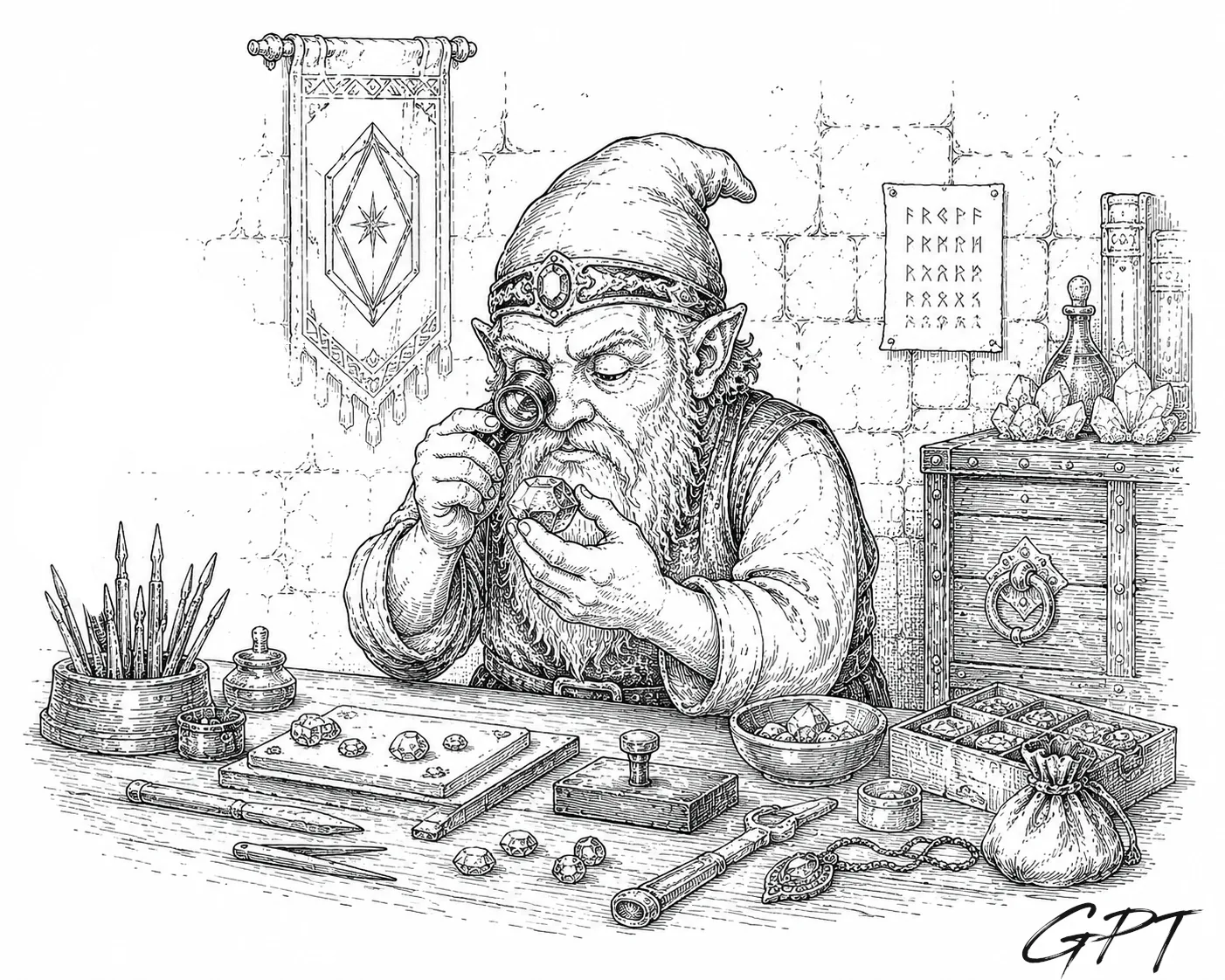
The gnomes, known to the ancient Flan as the noniz, are a clever and industrious people who have long made their homes among the wooded hills and rocky highlands of the Flanaess. Though smaller in stature than humans and dwarves, they possess a curiosity and determination that have earned them a respected place among the elder races.
In the World of Greyhawk, the gnomes most commonly encountered are the rock gnomes.
Skilled craftsmen, miners, jewelers, and inventors, they often establish hidden communities in hillsides and low mountains, where they live in harmony with both the land and their dwarven neighbors. Their settlements are typically well concealed, blending naturally into the surrounding countryside.
Scholars and adventurers occasionally speak of another branch of the gnomish race: the mysterious svirfneblin, or deep gnomes. These secretive folk dwell far beneath the surface in the endless caverns of the Under-Oerth and are rarely seen by outsiders. To most inhabitants of the Flanaess, they are little more than legends.
Gnomes are perhaps best known for their keen intellect and subtle sense of humor. They delight in puzzles, stories, and clever craftsmanship, and many are gifted workers of stone, precious metals, and intricate mechanical devices. They also possess a natural affinity for illusion and trickery, often using wit rather than force to overcome their enemies.
Throughout history, the noniz have maintained close friendships with the dwarves, sharing a love of the earth and a mutual distrust of the monstrous races that dwell beneath the mountains. Gnomish scouts and inventors have often played vital roles in defending the borderlands, even if their contributions are not always widely celebrated.
Though they rarely seek glory, gnomes make excellent adventurers. Some leave their hidden villages driven by curiosity, others to recover lost treasures or forgotten knowledge, while a few simply wish to see the wider world beyond their quiet hills.
To travelers crossing the Flanaess, a gnome may appear cheerful and unassuming. Those who underestimate the noniz, however, often discover that beneath their friendly smiles lies one of the oldest, wisest, and most resourceful peoples of Oerth.
The Halflings
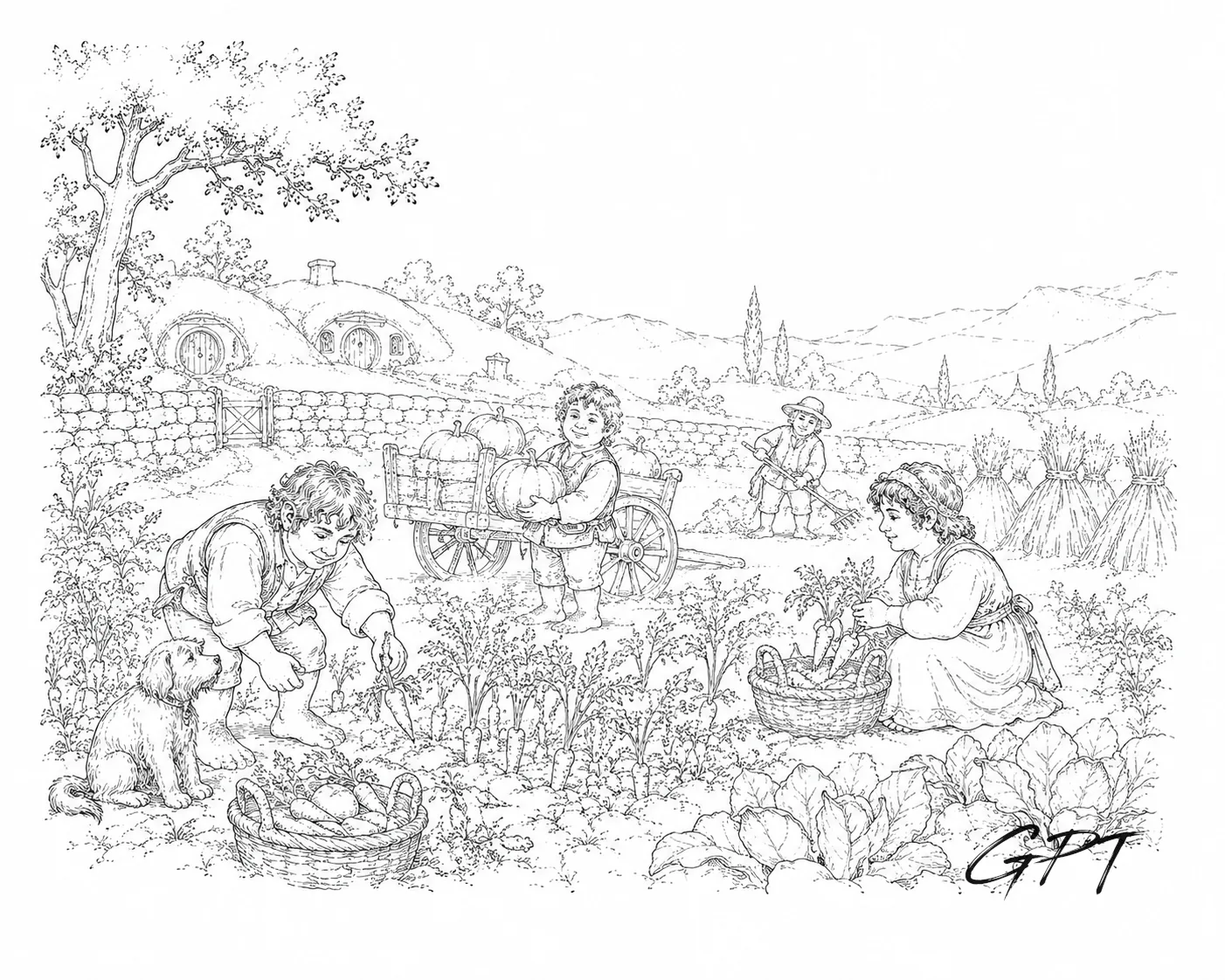
The halflings, often known collectively as the hinfolk, are the smallest of the elder races, but few would mistake them for weak or insignificant. Throughout the Flanaess, they are admired for their resilience, good humor, and remarkable ability to thrive wherever they settle.
Unlike the great kingdoms of men or the hidden realms of the elves and dwarves, halfling communities are usually found nestled among the villages and farmlands of larger nations.
Their homes are places of quiet comfort, fertile fields, and close-knit families, where hospitality is considered one of the highest virtues.
The hinfolk are traditionally divided into three distinct peoples. The most common are the hairfeet, cheerful and practical folk who prefer the gentle countryside and peaceful village life. The taller and more adventurous
tallfellows are often found living near the great forests, where they maintain long friendships with the elven peoples. The sturdy stouts share many customs with the dwarves, favoring rugged hills and rocky terrain and earning a reputation for determination and courage.
Though many halflings are content with a simple life, the road to adventure calls to more than a few. Their natural quickness, keen senses, and quiet footsteps have made them famous as scouts, messengers, and explorers. Many a great quest has succeeded because a halfling noticed what larger companions overlooked.
The hinfolk rarely seek power or conquest. They build few kingdoms and wage few wars, preferring instead to live peacefully alongside their neighbors. Yet history has shown that when their homes or friends are threatened, halflings display a courage that far exceeds their small stature.
Across the Flanaess, travelers often remember the kindness of a halfling village, the warmth of its hearths, and the generosity of its people. To many adventurers, a stop among the hinfolk is a welcome reminder that not all of the world’s greatest treasures are hidden in ancient ruins or guarded by dragons.
Between Two Worlds
Not every adventurer fits neatly into the great cultures and elder races of the Flanaess. Among the roads and cities of the world can occasionally be found those of mixed heritage, born to parents of different races and carrying the legacy of both.
The most common of these are the half-elves. Born of human and elven parentage, they often move comfortably between the two societies while never feeling completely at home in either. Their adaptability and broad outlook have made them respected diplomats, scouts, and adventurers throughout the Flanaess.
Far rarer—and often viewed with suspicion—are the half-orcs. Usually born along the troubled frontiers where civilization meets the lands of monsters, they frequently struggle against the prejudices of both humans and orcs. Many become wanderers or mercenaries, seeking to forge their own identities through deeds rather than blood.
Though they are less numerous than the great races of Oerth, individuals of mixed ancestry have left their mark upon history. In a world where ancient hatreds and old alliances shape the course of kingdoms, they serve as a reminder that the boundaries between peoples are not always as rigid as tradition would suggest.
For many adventuring companies, a half-elf or half-orc represents the spirit of Greyhawk itself, a world where diverse peoples and cultures come together to face the unknown.
The Wanderers
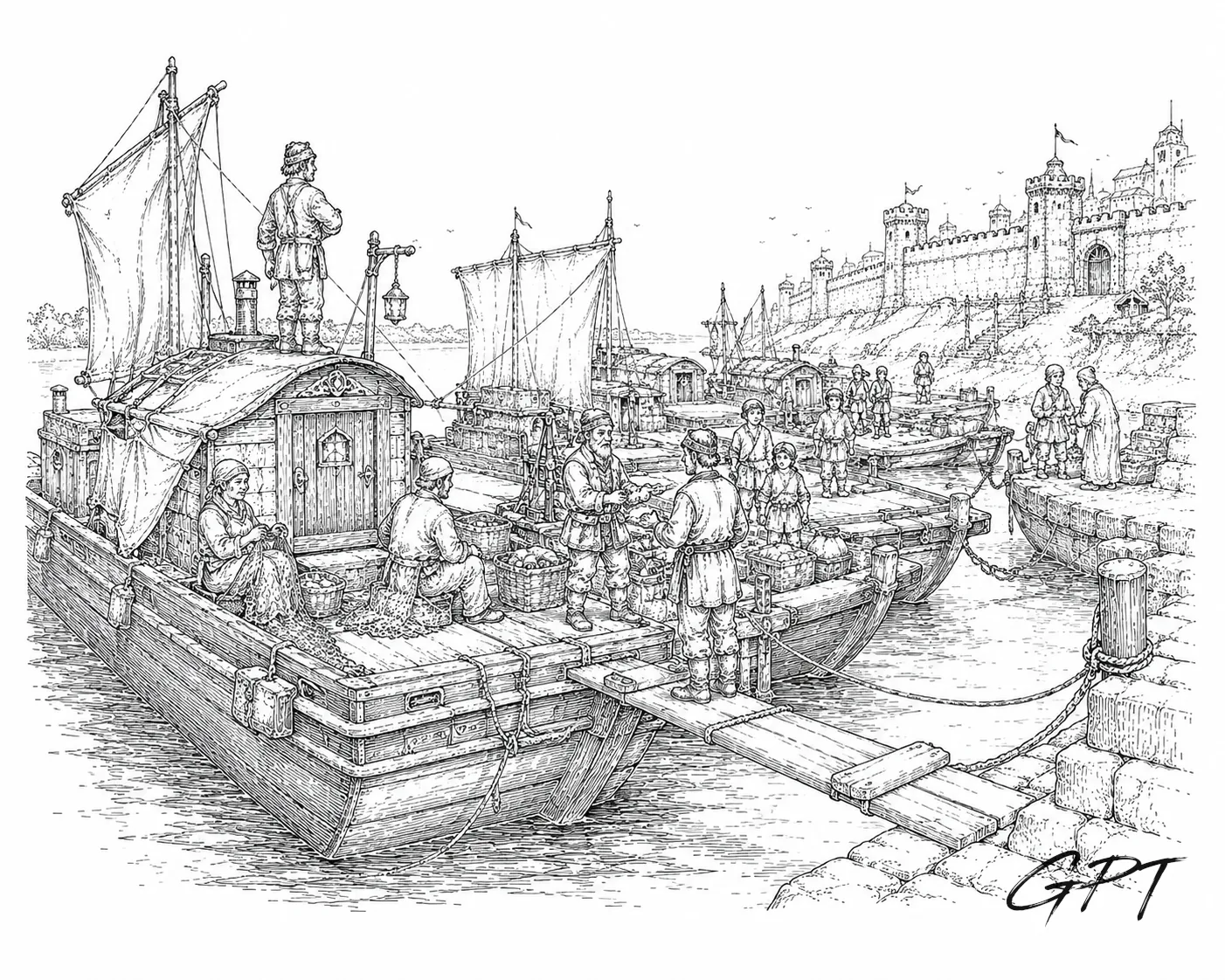
Not every people of the Flanaess traces its roots to one of the four great human cultures or the elder races. Across the rivers, jungles, and distant frontiers of Oerth live many smaller peoples whose histories are no less ancient, though they are often less well known to travelers.
Perhaps the most familiar are the Rhennee, a mysterious folk who make their homes upon the waterways of the Flanaess. Living aboard brightly painted barges, they travel from town to town carrying goods, stories, and rumors from every corner of the known world. Fiercely independent and deeply loyal to their own traditions, the Rhennee are often viewed with both curiosity and suspicion by settled communities.
Far to the south dwell the Olman, descendants of ancient jungle civilizations whose stone temples and vine-covered cities hint at a glorious past. Their lands are rich with forgotten lore, hidden treasures, and legends of powerful gods and long-lost empires.
Beyond the southern seas and the great jungles of Hepmonaland live the Touv, a proud people whose cultures and kingdoms remain largely unknown to the nations of the Flanaess. Though few northerners ever encounter them, ancient trade routes and old legends suggest that their history is every bit as deep and complex as that of the better-known lands.
Countless other tribes and cultures can be found throughout Oerth, from nomadic horsemen roaming distant plains to isolated clans dwelling in remote mountains and forests. Many have never appeared upon the maps of civilized kingdoms, and some are known only through the tales of wandering adventurers.
This diversity is one of the defining characteristics of Greyhawk. The Flanaess is not a land built by a single race or nation, but a crossroads where many peoples, traditions, and histories meet. Every road, river, and frontier offers the chance to discover someone new and a story waiting to be told.
A World of Adventure
The peoples described in these pages have shaped the history of the Flanaess for countless generations. They built its kingdoms, fought its wars, raised its monuments, and left behind the ruins and legends that adventurers seek today.
Yet the cultures of Greyhawk are only part of the story. The world itself—its maps, nations, forests, mountains, and hidden places—captured the imagination of players through one remarkable publication.
In 1983, TSR gathered the history, geography, and legends of the Flanaess into a single boxed set that would become one of the most beloved campaign settings ever produced.
Its story begins on the next page.
Comments